Recently while writing for World History Commons (WHC), I have been striving toward a larger goal: a teaching packet source collection. So far, I have been reviewing sites that offer primary sources and teaching materials for use by primarily K-12 educators. While each review is a one-off project, it’s easy to see similar themes within their niches. I’ve been exploring multiple sites dedicated to East Asian history, like the South Asian American Digital Archive, and the Endangered Archives Programme at the British Library. My idea for a source packet started here, but it was tenuous. After reading source collection essays from past volunteers at WHC, I began to feel doubtful about my choice.
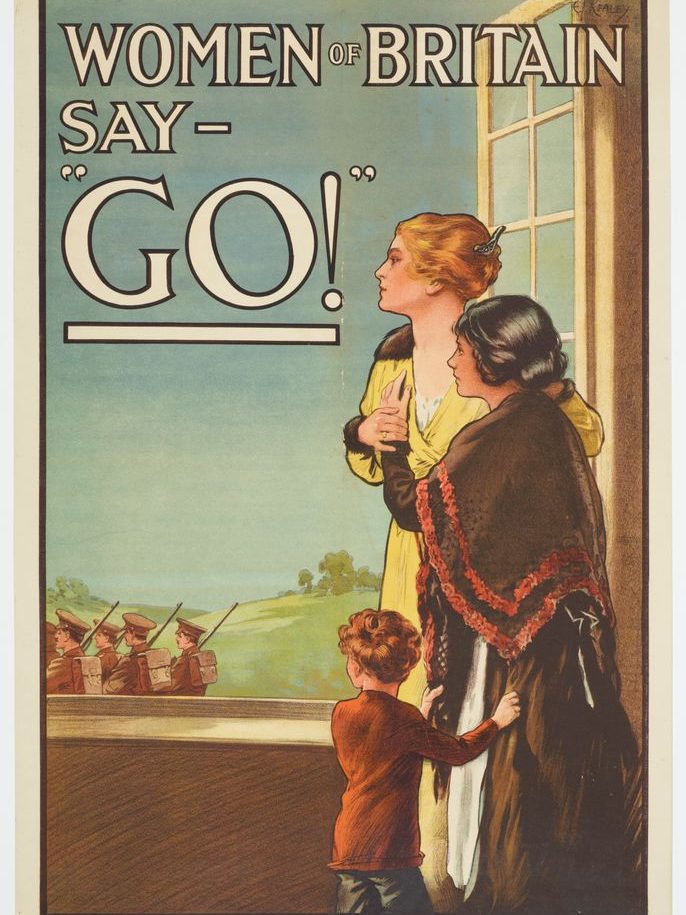
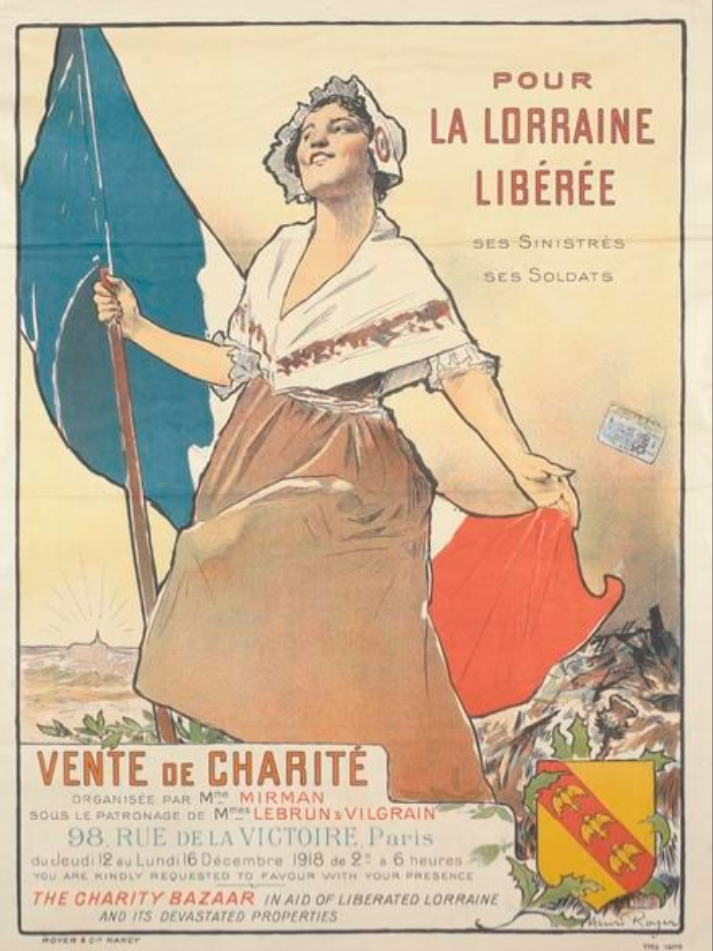
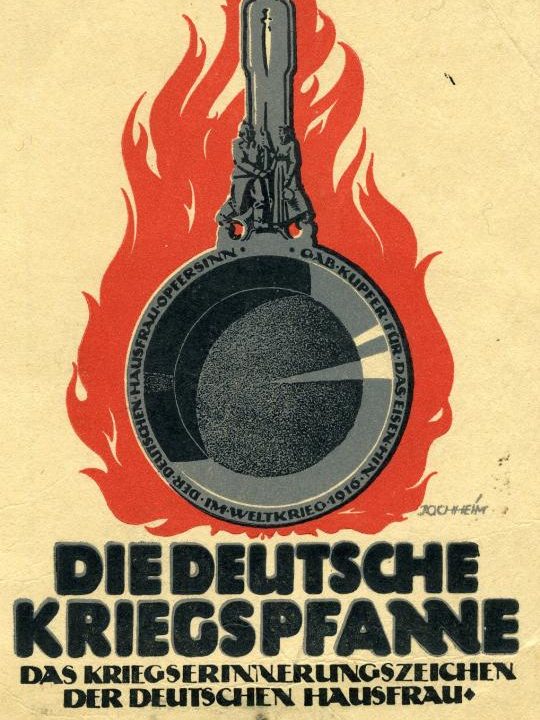
Asian history has never been my professional field of study, and I knew I would have a difficult time translating older texts. After trying to translate with Google Translate’s character recognition, I received middling results, many images just blurry enough to become unreadable by a machine. I roamed outside of the sites I had reviewed, almost desperate to find something, when I stumbled upon New Youth, or La Jeunesse, or 青年杂志 (Youth Magazine in Chinese). New Youth, founded by Chen Duxiu, began publication in 1915 out of Shanghai in the early stages of World War I. I was immediately entranced, mostly because of a mistake I made: I thought Chen Duxiu was a woman. Through some translation issues, or a misreading by myself, I read the powerful messages of Chen Duxiu as being spoken from a woman’s point of view. Very quickly, I realized my mistake: Chen Duxiu was, in fact, a man, and New Youth had very little to do with women and their perspective. I was frustrated initially, but I bounced back after realizing that New Youth had reminded me of what I have always been both interested in and knowledgeable of: women in WWI.
Specifically, much of my knowledge of women’s work in WWI comes from North America and Western Europe. When I gathered my first round of items, this was swiftly made apparent to me through constructive criticism: the people and cultures I initially wanted to highlight were now excluded from my narrative. This began several days of searching for textual items that represent Asian and Hispanic cultures for their perspectives on WWI. They were difficult to find. Many women outside of North America and Western Europe were not able to read or write, so much of the narrative was written by men. The works I found needed to be translated, preferably by a professional, but if necessary using Google Translate. I had to shift how I told the story: my initial group of letters became diversified with poems, news articles, and published pieces. I added to, subtracted from, and edited this list multiple times before I had a group of texts I believed represented a more worldly view of WWI.
I was immediately humbled after choosing the texts and preparing to write my essay: what I thought was an above-average amount of knowledge about women in the First World War was actually a fraction of a fraction. My fears about representing Asian voices returned in new fears about speaking for and about these historical figures. It was around this point in early March that the teaching packet stopped being my main project for WHC. I moved back to site reviews, something I was comfortable with and could regain the sense of happiness that only comes from completing a task or project.
That brings us to the present. I do believe there are tasks I am excelling at: finding compatible sites to review and writing about them has become a fluid motion. I’ve also been told my background as an academic librarian helps me to see a unique point of view within these databases, and that has given me the confidence that my work will be useful for users. It’s when I find myself against an obstacle that I falter. The wall always seems too high to climb, or too thick to push through.
This struggle reminds me of working in the Digital Humanities field. Much of what I and others are doing is new in some way. Whether it’s the user’s first time using a tool, or manipulating data in a way no one else has before, doing something new will inevitably be frustrating. Every time I come across one of these struggles, I treat finding the solution as a turn in a maze. At every dead end, I can see a new path out of the corner of my eye. And going down that path leads me somewhere new, and usually closer to the exit.



Leave a Reply